When Warehouse Space Becomes Strategic Capital
In global supply chains where every square meter generates $1,200 annually, giants like automotive manufacturers and e-commerce titans face existential storage math:
- $2,800/hour production losses while oversized components await storage
- 17-minute forklift queues at single-entry warehouses during peaks
- 9 km of daily wasted travel burning $17,000 in labor costs
At Rocket Racking, we engineer solutions where minor layout flaws stop amplifying into million-dollar losses.
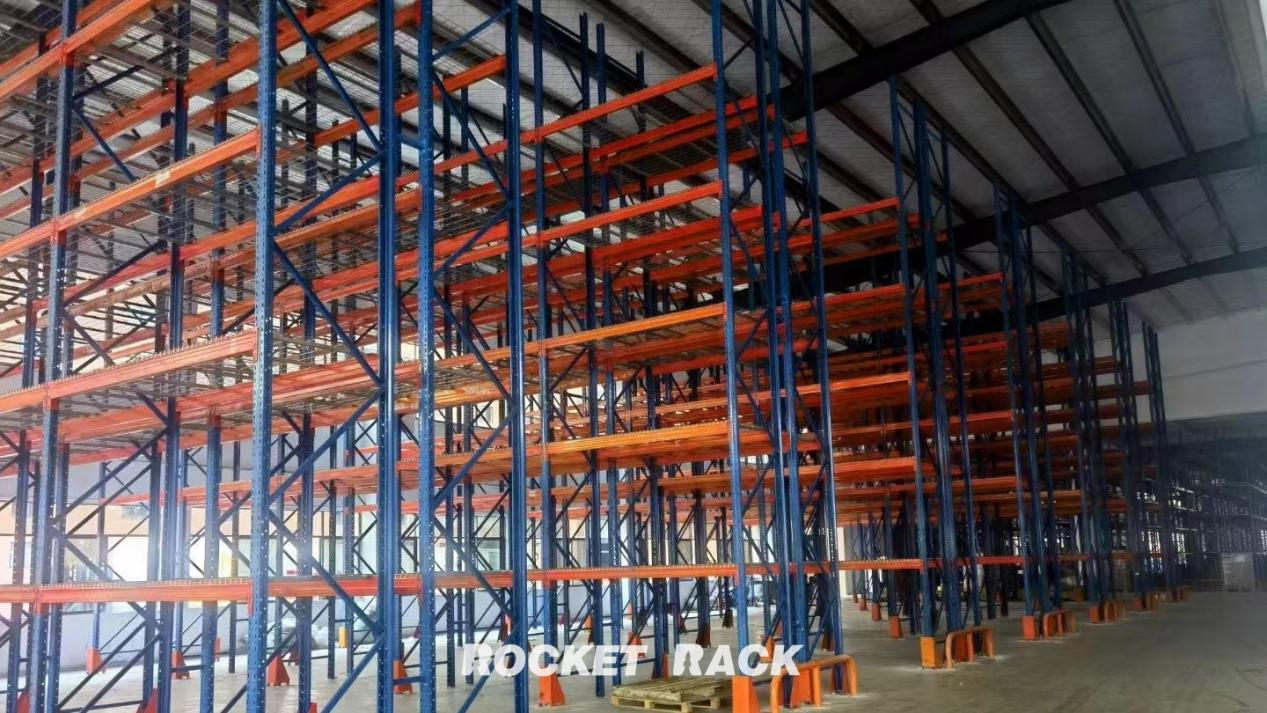
Rocket Racking's Physics Revolution
Our 7,900m² Dongguan R&D center deploys three proprietary technologies to reshape spatial economics:
1. Vertical Density Amplification™
For Diageo’s beverage empire, we created a multi-layered ecosystem:
- Galvanized drive-in systems at ground level (5° impact-absorbing rails)
- Structural mezzanines at 2.4m for slow-moving inventory
- 12m headroom reserves with automation-ready anchors
Result: 74% more pallet positions without expanding footprint
2. Adaptive Neural Frameworks®
At a Shanghai auto hub, Q235B steel columns embedded with IoT sensors now:
- Monitor load deformation in real-time
- Trigger remote "osteoreinforcement protocols" when stress exceeds thresholds
- Reduce unplanned downtime from 47 hours to ZERO annually
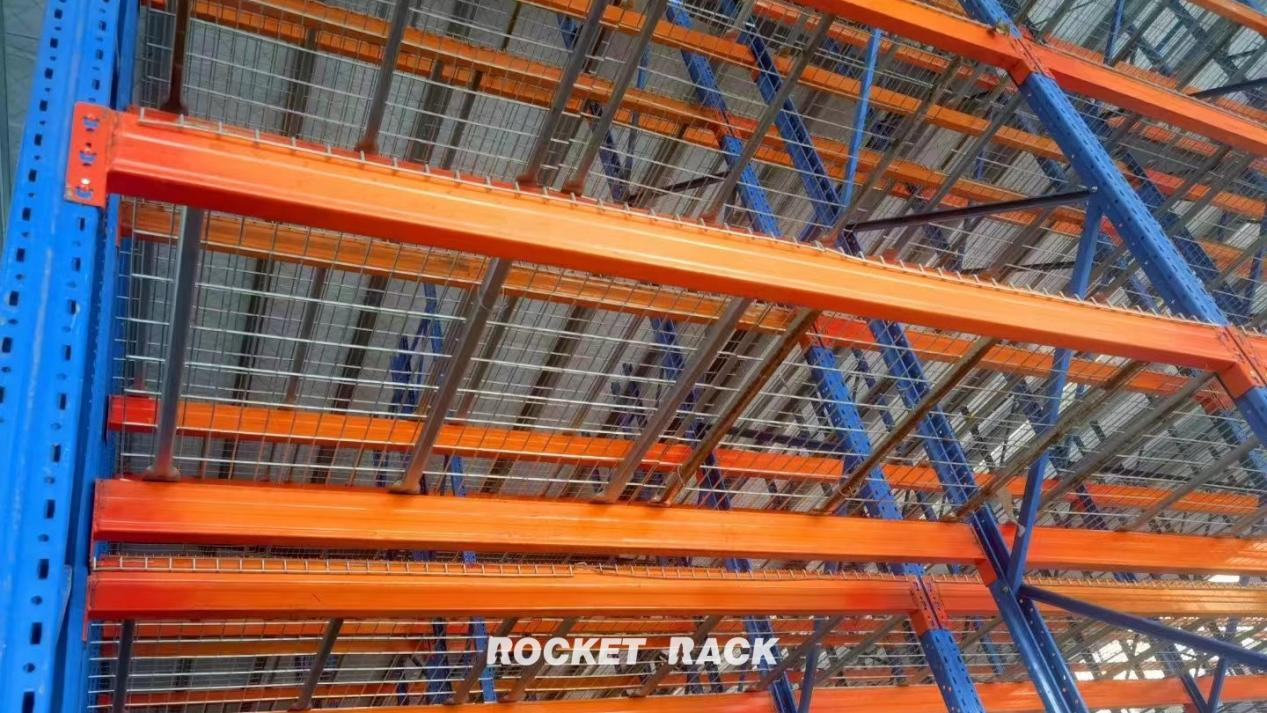 4. Robotic-Native Syntax™
Solving JD.com’s AMR gridlock required reinventing interfaces:
- Laser-cut anchor matrices (±0.25mm precision) for instant robot grid integration
- 1,350mm beam clearance enabling unimpeded robotic arm gliding
- 38% faster path efficiency for Kiva fleets
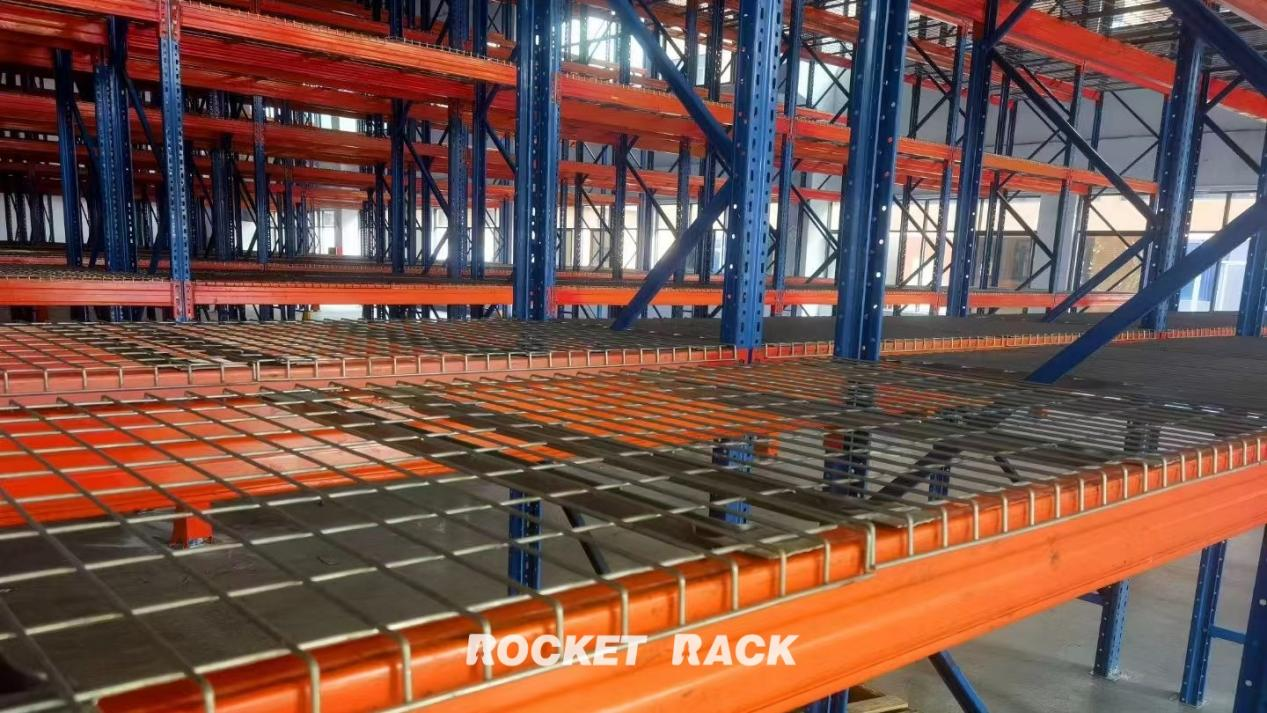
Precision Manufacturing: The Rocket Racking Edge
Inside our Guangdong factory:
- 20 automated roll-forming lines → 72m/minute extrusion
- 3,500°C plasma fusion → 97% structural stability at -20°C
- ISO 9001-certified tolerances ≤0.5mm
This atomic-level control turns blueprints into self-optimizing storage organisms:
When Steel Learns to Adapt
When floods threatened Vale’s mining warehouse:
- Rocket Racking’s electrolytic coatings activated cathodic protection
- Sensor networks redistributed loads to secure zones
- WMS rerouted AGVs autonomously
 4. Robotic-Native Syntax™


