Learn how racking load capacity is calculated and why it matters. Rocket Racking helps ensure safe, certified storage systems.
Knowing how much weight your warehouse racking system can handle is not optional—it’s essential. Load capacity determines the safety, compliance, and operational efficiency of any racking installation. Misjudging it can lead to damaged goods, collapsed structures, and serious workplace accidents.
At Rocket Racking, we help clients understand, calculate, and certify their racking load limits. In this guide, we explain what load capacity means, how it’s calculated, and how to ensure your warehouse remains safe and compliant.
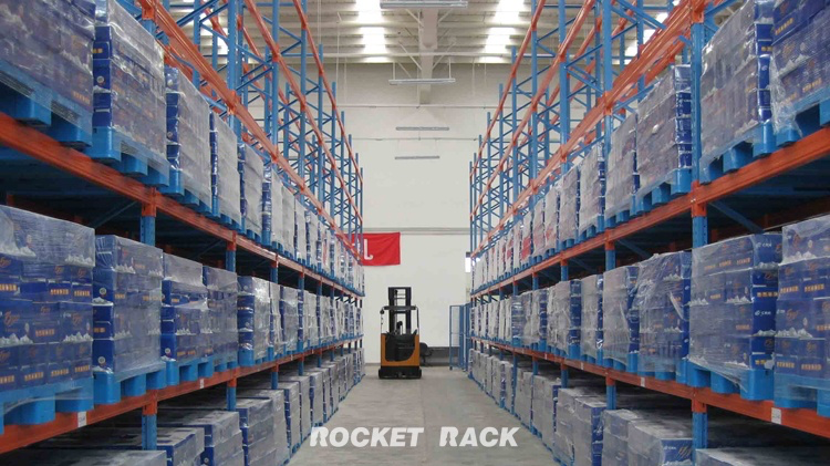
What Is Load Capacity in Racking?
Load capacity refers to the maximum weight a racking component (beam, upright, level, or bay) can safely support without deformation or failure. It’s typically rated per level and per bay under evenly distributed static loads.
Types of Load Ratings
- Per Shelf Level
The total weight that a single beam level can support.
Example: 3,000 kg per shelf.
- Per Bay
The maximum total weight that all levels within a racking bay can hold.
Example: 9,000 kg across three levels.
- Point Load vs. Uniform Load
- Point load: Weight concentrated in one area
- Uniform load: Evenly distributed weight (preferred)
Factors That Influence Load Capacity
- Steel grade (e.g., Q235B vs Q345)
- Beam profile and thickness
- Upright section size
- Number of shelf levels and spacing
- Rack height and anchoring method
- Environmental conditions (e.g., seismic zones, cold storage)
Rocket Racking uses advanced software to simulate loads and deformation limits before finalizing designs.
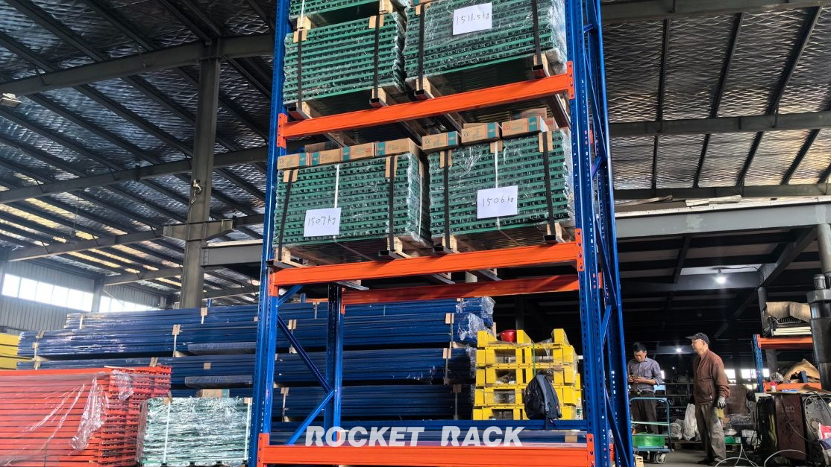
How to Ensure You Stay Within Safe Limits
- Get Certified Load Charts
Never guess—insist on load charts or engineering certification from your supplier.
- Install Load Labels
Clearly mark each racking bay with its maximum capacity per level and total.
- Use Correct Decking
Add mesh decks, steel panels, or support bars to spread point loads.
- Train Staff
Ensure all warehouse staff know how to load shelves properly and report damage.
- Inspect Regularly
Look for bent beams, loose anchors, or rust. Address issues immediately.
Common Mistakes to Avoid
- Overloading based on “gut feeling”
- Mixing components from different suppliers
- Ignoring dynamic load effects from forklifts
- Using damaged or improperly installed racking
Rocket Racking Load Support
We provide:
- Load calculation reports and certifications
- Structural drawings with safe spacing guides
- Heavy-duty materials for industrial-grade racking
- Installation training and safety audits
Whether you run a small warehouse or a distribution center, understanding load capacity is the first step to building a safe and efficient operation.


